1864 Bronze With L Indian Head Penny Value: What Is It Worth in 2026?
Getting this graded by PCGS or NGC before selling usually pays off. Authentication matters: the 1877, 1909-S, and 1864-L are among the most faked cents in the hobby.
Value by condition
| Good (G-4, heavily worn) | $73 |
| Very Good (VG-8) | $103 |
| Fine (F-12) | $194 |
| Very Fine (VF-20) | $269 |
| Extremely Fine (XF-40) | $376 |
| About Uncirculated (AU-50) | $468 |
| Mint State (MS-63, uncirculated) | $721 |
The famous 1864-L: designer James Longacre's tiny initial L sits on the ribbon behind the neck. A key variety in every grade — and heavily counterfeited by adding an L to a plain coin. Under magnification, the genuine L is crisp and correctly placed.
What an 1864 Indian Head penny looks like
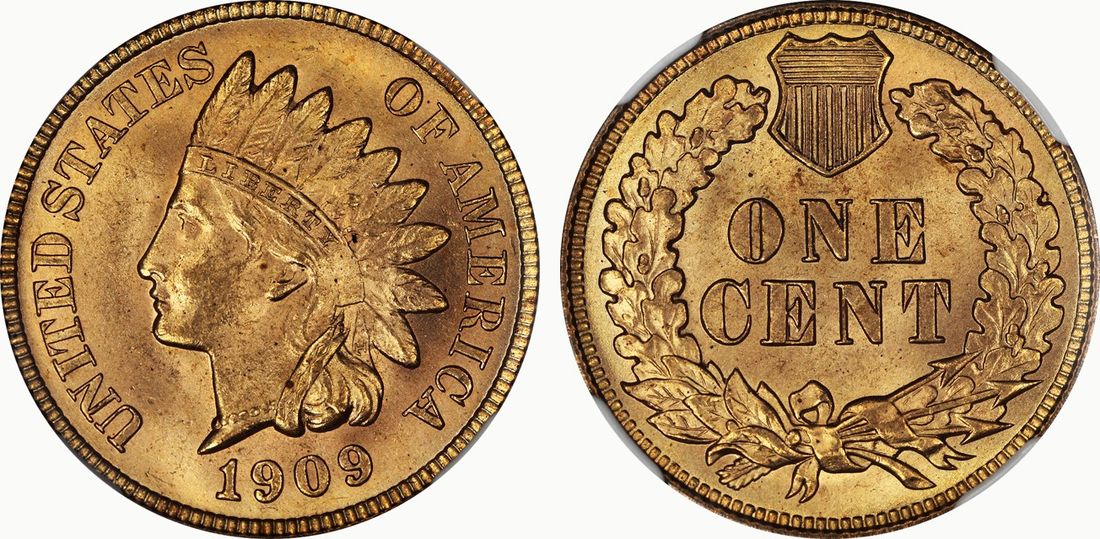
The base design is the same as the photo — the Bronze With L variety is described in the sections below.
The tiny letter that multiplies the value
In 1864 the Mint switched the Indian Head cent from a pale copper-nickel alloy to bronze, and partway through the year, designer James Barton Longacre's initial — a small letter L — was added to the ribbon of the headdress, behind the neck. That single letter creates one of the great value gaps in the series: a bronze 1864 with no L is a $10-ish coin in worn condition; the 1864-L brings several times that, and much more in better grades.
Check the coin under magnification: the L sits on the lowest ribbon of the headdress, tilted, small but crisp. Because the premium is large, added-letter fakes are common — a genuine L is sharply struck and correctly positioned, while fakes often look engraved or sit at the wrong angle.
Also check the color: 1864 exists in both pale copper-nickel and darker bronze. The L only appears on bronze coins, so a pale 1864 can never be the L variety.
How to confirm it's genuine
- The date is on the obverse below the portrait. Only 1908-S and 1909-S carry a mint mark (under the wreath on the reverse) — every other year is Philadelphia with no mark.
- Coins of 1859–1864 are copper-nickel: paler in color, slightly thicker. Bronze began partway through 1864 — the color difference is visible at a glance.
- The L sits on the lowest ribbon of the headdress behind the neck. A genuine L is sharply struck and tilted correctly; fakes are often engraved and fuzzy. The L only exists on bronze (dark) coins, never on pale copper-nickel.
- Never clean the coin: cleaning destroys the original surface and can cut the value in half.
- For any coin worth more than $200, PCGS/NGC grading fees (~$20–50) are money well spent.
Where to sell this coin
- eBay works best in the $1.00–$200 range. Take clear photos of both sides in natural light, and put the year, variety, and approximate grade in the title.
- A local coin dealer is the fastest way to cash out, but expect 60–70% of guide prices. Common-date Indian Head pennies sell well by the roll or in mixed lots.
- Graded high-value coins do best at auction houses like Heritage Auctions or Stack's Bowers, where realized prices are public.